

Casino Bankroll Management
For many people, online gambling is a leisure activity—a hobby, a way to pass the time or a chance to unwind after work. Setting a spending limit can help keep play measured and within a personal budget. Casino games can sometimes pay out, but are best treated as entertainment, not a reliable way to make money.
Some people gamble without considering the financial consequences. Unplanned deposits and reckless play can increase the risk of gambling problems, particularly when spending exceeds what someone can afford.
This Casino Bankroll Management guide focuses on planning gambling funds before you play and limiting losses to an affordable amount. These steps can help protect money needed for essentials and help you recognise when it is time to stop.
What Is Online Casino Bankroll Management?
Bankroll management is a practical way to handle money set aside for gambling. Decide what you are prepared to spend and keep play within that limit, instead of using funds you cannot afford to lose.
Think about these two examples. Which person treats gambling as a budgeted pastime, and whose approach could cause financial problems if continued?
- Exhibit A: Sets aside a €/$500 gambling budget for the month from money left after salary, bills, rent and other expenses are covered. He sticks to his limits throughout the month and finishes ahead.
- Exhibit B: Deposits whenever he feels like it, without setting a budget. After losing, he adds funds to try to win back the money. He does this a couple of times and eventually spends money intended for important monthly expenses.
It may be tempting to judge someone in Exhibit B, since budgeting ordinary household expenses can seem simple. In reality, sticking to a limit while gambling can be more difficult than managing routine monthly purchases.
Casino play, online or in person, can bring a rush of excitement that makes it easy to lose track of spending. People respond differently, but everyone benefits from setting boundaries before gambling becomes harmful. Learning basic bankroll habits early can help prevent a pastime from seriously disrupting daily life.
How to Set Your Casino Bankroll
There is no single bankroll amount that works for everyone, as budgets and discretionary income vary. One person may have more money left after expenses, while another may want to keep spending especially low.
A reasonable starting point is to gamble only with money you can afford to lose, and only if spending it feels comfortable. A session may use the entire amount before you log off or leave the casino, so do not count on having money left over.
Choosing a gambling budget in advance helps separate play money from funds needed for everyday expenses.
Here are two ways to work out a possible bankroll:
The Simple Approach: Cover monthly expenses such as bills, rent, food and other costs first. Then decide whether any of the remaining spending money can be set aside for gambling. This keeps your budget separate from money needed for essentials.
The Refined Approach: You can also estimate how much money you need for a planned number of hands, spins or bets over a set playing time.
Imagine a three-hour session at a blackjack table. The estimate is that an average table sees just over 100 hands per hour. At a €/$1 table, €/$300 would cover the bets for that session.
The guide then applies a 44% average win rate and 1:1 payouts to estimate that wins across 132 hands would offset €/$132 of the €/$300 wagered, leaving a suggested bankroll of €/$168. It recommends €/$200 as a more cautious amount, while noting that sessions differ. This is an illustrative calculation, not a forecast of results.
In short, only consider a bankroll made up of money you can spare, excluding anything needed for other expenses.
Tips for Managing Your Casino Bankroll
Your bankroll is the amount specifically set aside for gambling, not your total bank balance. Think of it as money you are willing to spend during a session. These habits may help keep a losing streak within the limit you set beforehand.
Bank Your Winnings

Casino games have a house edge: a statistical advantage in the odds that favours the operator over time. The edge varies by game, but the odds are structured so that players may struggle to win consistently over the long term.
Luck and decisions can lead to short-term wins, but continued play could give those winnings back. Choose in advance when to stop and set aside any amount you want to keep when you reach that point.
One option is to set a profit target before playing. For example, someone starting with a €/$100 budget might decide to bank winnings after making a $50 profit. In this example, the original €/$100 remains available for play, while the €/$50 profit is kept separate if later bets lose. A stopping point may help protect some winnings, but it cannot eliminate the house edge or guarantee a profit.
Accept That You May Lose
New and experienced players alike may start a session expecting a big win. That expectation is risky: the odds do not promise a win, and you could lose the entire bankroll. Pressure to finish ahead can lead to bigger bets, attempts to recover losses or spending beyond the planned budget.
Be ready for the possibility that you will use up the money set aside before the session ends. Treat it as an entertainment expense, like a film or concert ticket, rather than money you expect to get back. Accepting this possibility may make a loss easier to handle; an unexpected win is a bonus, not something to count on.
Never Chase Losses
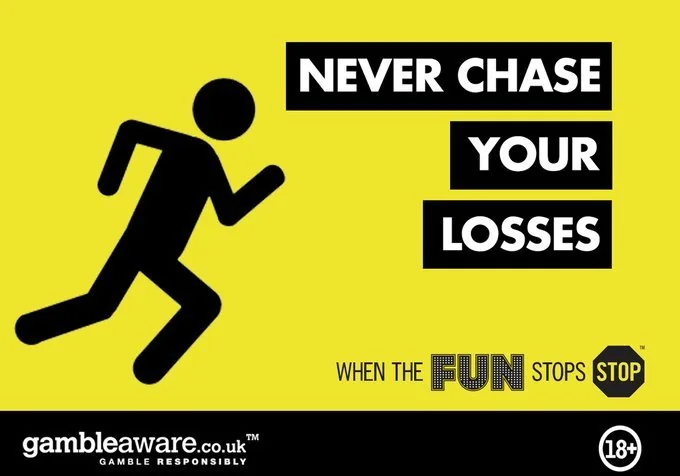
Chasing losses can quickly derail a gambling budget. Whether playing online or at a land-based casino, do not add funds simply because earlier bets lost. Casino games generally have a house edge, so there is no reason to assume a losing streak must soon turn around.
A player might tell themselves, “I've lost $300, but a winning streak must be coming. I'll withdraw another $100, win back my losses and end up ahead.”
That line of thinking has three problems:
- The original bankroll plan has been abandoned. A budget only works if you stick to it instead of adding funds after a loss.
- There is no way to know that a winning streak is about to begin. Each hand, spin or turn is independent; previous losses do not make a win more likely on the next result.
- Trying to win back money creates pressure and can lead to poor decisions, such as raising bet sizes or choosing wagers with longer odds.
Learning to stop when you reach your limit is an important part of managing gambling money. Chasing losses can make the overall outcome worse, while ending the session prevents additional deposits that day. Any later session should have a fresh budget, not be treated as a sure way to recover past losses.
Choose Appropriate Bets
Your bet size should fit both your bankroll and planned playing time. Large wagers can burn through a budget quickly, while very small ones may seem dull to some players. Boredom may lead to an abrupt increase in stakes, making each bet too large for the available funds.
Choose an amount that lets you play without risking the whole session straight away. The guide suggests around 5% of the bankroll as a general rule and no more than 1% for video slots, where players may make more bets per hour than in other casino games. These are suggestions, not guarantees; a suitable amount depends on your budget and planned session.
Choose the Right Games
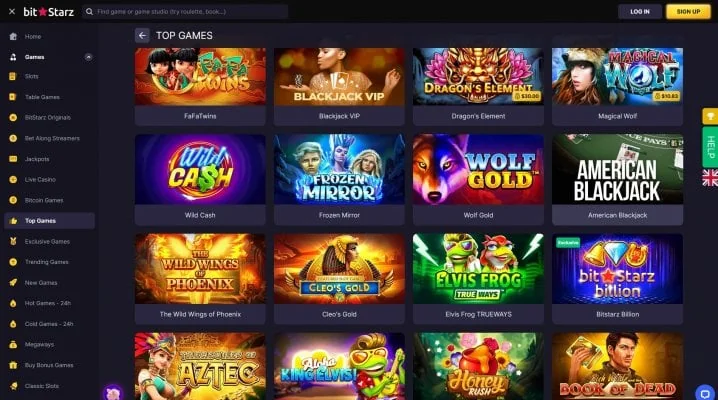
Game tastes differ. Some players enjoy slot reels, while others prefer table games such as blackjack, craps, roulette or baccarat. Explore the casino games you enjoy that suit your interests and planned budget.
If you have not settled on a game, consider a few practical questions before beginning a session at your chosen online casino.
- How much time do you plan to play?
- What amount have you chosen for your bankroll?
- Are you thinking of placing larger bets to pursue a substantial return over a short time?
- Would you prefer a game that may let you play longer with a smaller bankroll?
- Do you want to compare games by their return to player (RTP) percentage?
Considering these questions can help you find games suited to your budget and the session you have in mind.
RTP and volatility are useful concepts to understand before choosing a game. Return to player (RTP) is the share of wagers a game is designed to pay back over a long period, and is described as the inverse of the house edge. On that basis, a 95% RTP corresponds to a 5% house edge. These are theoretical long-term figures, not guarantees for an individual session.
Volatility describes how often potential wins occur and how large they may be. Lower-volatility games tend to offer smaller, more frequent wins, while highly volatile games may feature larger but less frequent wins. Medium volatility falls between these patterns.
The guide names blackjack, roulette and baccarat as lower-volatility table games that may have higher RTPs, and video slots as games with the potential for larger wins. It gives an average video-slot RTP of around 96% and says table-game RTPs are usually higher; its basic blackjack example is 98.5% over the long run. Figures depend on the game and conditions, and do not predict individual results.
Make Use of Casino Bonuses

Online casinos may promote casino options featuring bonuses and promotions. The guide links these offers to competition in the iGaming industry: casinos use them to attract new players and reward returning customers. Check the terms before counting bonus funds as part of your bankroll.
Common casino bonus formats covered in the guide include:
- Welcome Bonuses: These offers seek to attract new customers and may include bonus funds, free spins or both. They usually require a first deposit and sometimes apply to the first few deposits. Read more in the welcome bonus guide.
- No Deposit Bonuses: A no deposit bonus may offer a small amount of bonus money or free spins when someone opens an account, without an initial deposit.
- Reload Bonuses: These deposit offers are for existing customers, rather than new players. Reload bonuses often provide less bonus money or fewer free spins than welcome packages.
- Cashback Bonuses: Some sites offer cashback deals that return a stated share of losses from a previous day, week or month instead of giving bonus cash in advance.
- VIP/Loyalty Programs: Like retail loyalty cards, a casino loyalty/VIP program may award points for play and assign tiers at certain milestones. Possible perks include faster withdrawals, exclusive bonuses and other benefits; some programs let members exchange points for bonus cash. Terms vary by program.
Keep a Clear Head While Betting

Stress, distractions or intoxication can make it harder to follow a bankroll plan. In that state, a player might wager more than intended, try to recoup losses or spend money set aside for other needs.
Playing with a clear head may make it easier to stick to the limits and personal rules you set before a session.
Track Every Win and Loss

People who monitor their diet may write down what they eat; gamblers can similarly record wins and losses. Knowing the financial result of a session can put spending in perspective and discourage decisions made without a clear view of the total.
Keeping an accurate tally can be difficult during fast-paced play. Set aside a separate amount for each game, and use records such as a machine's game counter or a count of chips to monitor activity.
A little arithmetic can help you see how close you are to your planned budget, but sticking to limits still relies on self-control. Recording results and setting bet limits supports a more thoughtful approach to casino bankroll management. These habits may help contain losses, but cannot prevent them.
How to Build a Casino Bankroll?
Along with the basics of budgeting and bankroll management, the guide offers these additional suggestions for managing gambling funds:
- Avoid drinking or taking drugs while playing: A couple of beers may be part of someone's night out, but staying clear-headed helps with decision-making. Drinking too much or taking drugs can make it harder to stick to spending limits.
- Monitor your gambling habits: If gambling takes more time or money than intended, or has become an addiction rather than entertainment, contact a gambling addiction organization. The guide also recommends visiting a casino's responsible gambling page to review its responsible gambling tools.
- Keep your emotions in check: If you find losses hard to manage, gambling may not be right for you. Be prepared to lose more than you win and treat games as entertainment, not a source of income. Before playing, accept that you could lose your entire bankroll; having money left unspent would be an additional outcome.