

Slot Reels: Types and Mechanics Explained
You press spin, watch the reels turn, and wait to see which symbols appear. A big win may bring a cheer, while a losing result can prompt a real sigh. For many people trying the latest online casino slots, that mix of anticipation and emotion is part of the experience.
But what actually happens inside a slot machine? The on-screen result depends on several connected elements. Its maths model, RNG (random number generator) algorithm, RTP, variance/volatility, and reel mechanics all affect the presentation, gameplay, and outcome.
Many of these terms will sound familiar, as they come up frequently in slot guides. We also cover RNG and RTP and variance. The reels themselves can be easier to overlook: they are the rotating parts that display symbols during a spin. This guide takes a closer look at slot reels and the mechanics behind them.
First, slot games come in many reel layouts and configurations. Traditional machines generally had 3 reels and one payline, while other games use 5, 6, 7, or far more reels, with some offering 100,000+ ways to win. Some modern games do not use conventional reels in the usual way.
Slot Reels: The Basics
The earliest slot machines had only a few reels. Each mechanical reel spun, and the machine awarded a payout when they stopped with the required matching symbols on the single payline. The amount depended on the winning combination.
Many modern slots still use reels to determine results, but the format has expanded well beyond three reels. Games with at least 5 reels are common, and some online or digital games describe their reel count as infinite because the layout can continue to expand.
Reels form winning combinations, but modern games also commonly include bonus symbols. Scatter symbols can trigger free spins, bonus games, or other features, while Wild symbols generally substitute for regular symbols to complete combinations on active paylines.
Three-Reel Slots
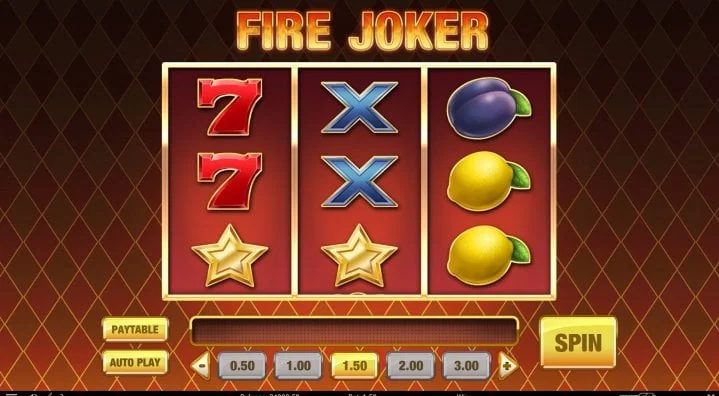
When slot machines first became popular, they generally used 3-reel layouts. Most had one payline, or no more than 3, and a spin showing 3 matching symbols across a line won a payout. The amount naturally depended on the symbols shown.
Developers still release 3-reel games today, including titles with as many as nine reels. These are usually classic or retro slots designed to recall machines from an earlier era. Compared with modern video slots, they tend to have fewer paylines and bonus features.
Some 3-reel online slots to consider:


Five-Reel Slot Machines
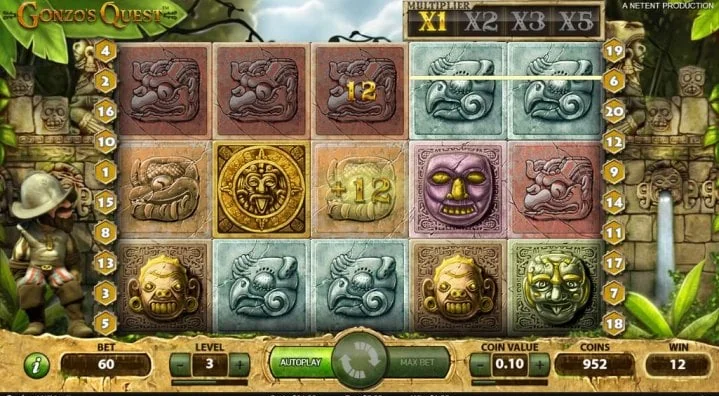
Whether you play at an online casino or a land-based venue, there’s a good chance the game will have five reels. The best-known layout is 5x3: 5 reels arranged in 3 rows.
Although this layout is widespread, developers differentiate their 5-reel releases through presentation and features. The best slots may combine striking graphics with bonus features such as free spins and mini games, and some may also offer progressive jackpots.
More reels can make room for additional paylines. Available formats include 5-reel slots with 10, 20, 30, 40, or 50 paylines, as well as games with even more. Depending on the reel mechanics, some titles instead use thousands or even hundreds of thousands of ways to win.
Some 5-reel slots to explore:


Seven-Reel Slots
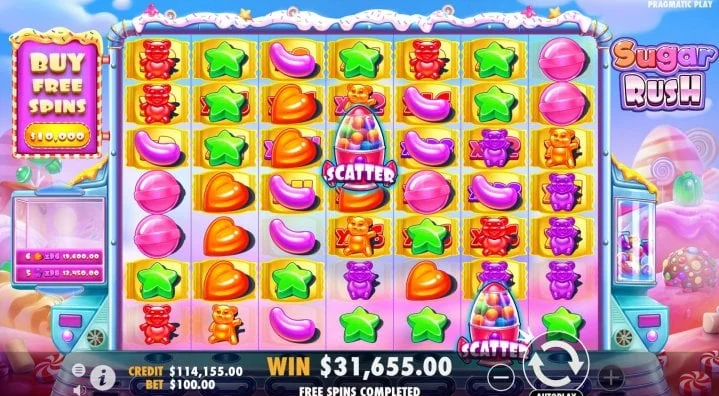
Although 5-reel slots remain the standard, developers continue to push beyond that format. Games with seven or more reels are now common. Many replace traditional paylines with newer systems such as Cluster Pays and Megaways. Later in this guide to slot reels and mechanics, we examine those systems and their special features in a separate section.
Games with many reels often offer several bonus rounds and extra features. Depending on the title, you might see cascading reels, horizontal reels above or below the main reels, and other variations.
Popular 7-reel slots include:



Ten-Reel Slots
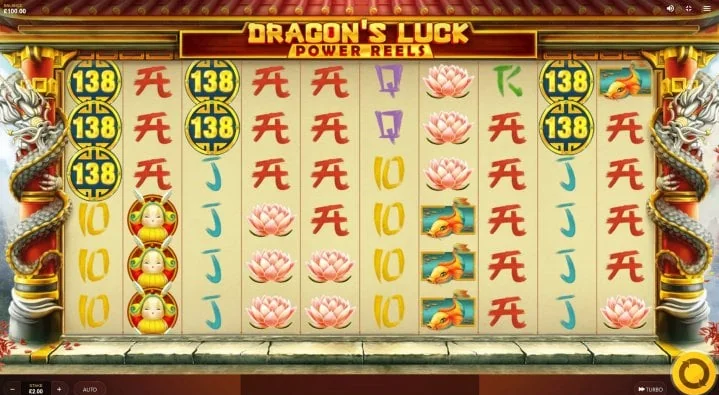
Games now come with x, y, or z reels, and some let you unlock extra reels as you play. More reels generally allow for more possible paylines, so a 10-reel slot with just 3 paylines would be unusual. Open the paytable for a 10-reel slot and you’ll often find a long list of payouts for many symbol combinations.
Some games with 10 reels:

Infinireels and Infinity Reels
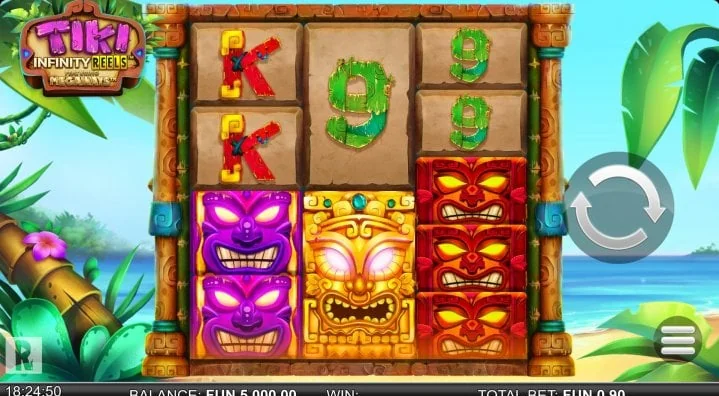
Modern reel designs come in many forms, and some games may continue adding reels without a specified limit.
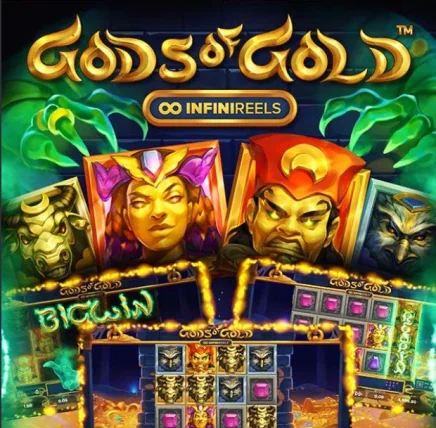
Infinireels and Infinity Reels are two well-known examples. NetEnt created the Infinireels mechanic, while ReelPlay developed Infinity Reels. Both start with three reels. When a winning combination lands, the game adds one reel and awards a re-spin. Another win adds another reel, and the process continues as long as the relevant conditions are met. In theory, it could continue indefinitely, hence the names Infinireels and Infinity Reels.
Infinireels and Infinity Reels games featured at online casinos:

Megaways Slot Games

The number of reels is not the only way modern slots determine wins. Some use alternatives to traditional paylines, including the Megaways mechanic created by Big Time Gaming. With this system, the reels work differently from those in a fixed-payline game.
Many game titles use the word 'Megaways' because Big Time Gaming licensed the popular mechanic to other software providers. Rather than matching symbols along set paylines, players need matching symbols in any position on consecutive reels. This is similar to how Ways-to-Win games work.
The key difference is how many symbols can appear on each reel. Ways-to-Win games use a fixed number, while Megaways uses a random reel modifier that can show between 2 and 7 symbols on each reel. The number of available 'paylines', more precisely called 'Ways-to-Win', therefore changes with each spin. A result might offer 100 ways, another thousands; some games can reach 117,649.
Megaways slots to consider:






Video Slots Without Reels (Cluster Pays Games)
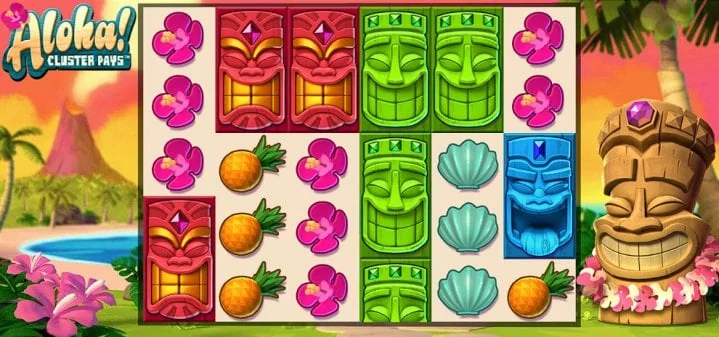
Some casino slots have no reels and look more like mobile puzzle games such as Candy Crush. They can still offer plenty of action through features that allow multiple wins from one spin. Free-spin rounds, Wild symbols, bonus wheel symbols, multipliers, and similar features may all be included. The main difference is how a winning combination is formed and paid.
In Cluster Pays slots, matching symbols must form connected groups, usually of 5 or more symbols joined vertically or horizontally. Many of these games also use avalanche reels: winning symbols vanish from the 'reels' and replacement symbols fall into the empty spaces. The new layout may create further wins, repeating the sequence.
Popular Cluster Pays slots include:


Reel Slots vs. Slots Without Reels (Our View)
How do reel-free games compare with traditional reel slots, and is one format better? It comes down to personal preference, though the range of options available today is a plus. This view draws on a review of thousands of slots over the years; the comparison below reflects that perspective.
Cluster Pays games, which technically have no reels, often feel more active. One spin can set off several chain-reaction wins, and these games frequently include a range of bonuses. With the ongoing movement, it can feel as though the game is always progressing.
That doesn’t make Cluster Pays slots automatically better than reel games. Many 3-reel, 5-reel, 7-reel, and 10-reel slots also offer appealing features. They typically have a more restrained structure, with one main bonus feature supported by elements such as Wild and Scatter symbols.