

Gambling Addiction Warning Signs: How to Spot Them Early and Take Action
For many people, gambling is a social pastime, combining games, companionship, and the chance to win. But when betting begins to crowd out other parts of life, entertainment can turn harmful. Problem gambling, gambling addiction, and gambling disorder are terms used for related concerns. Casino disclaimers may urge players to watch for trouble, but recognizing it is not always easy. This guide outlines common signs and ways to respond, including seeking support when needed.
What Is Gambling Addiction?
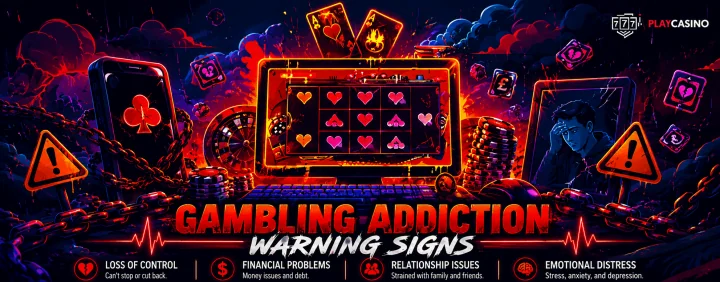
Gambling takes many forms, but each involves risking something valuable in the hope of getting something worth more. The outcome is uncertain, and players can only guess what may happen. Often, the person who places a bet loses what they risked.
For this reason, gambling is best treated as recreation or entertainment. Giving it a greater role in your life can have serious consequences, including gambling disorder or addiction.
Gambling addiction involves continuing to bet even when you recognize that it is harming your life. A person with gambling disorder may find it difficult to stop, even when they know they need to. Attempts to control the behavior may repeatedly give way to another session. Debt or financial hardship may follow, yet quitting gambling can remain difficult.
People of any age can experience gambling problems, so it is worth noticing warning signs in yourself and those close to you. The risk is not confined to one activity: casino betting and occasional scratch cards can both be part of harmful gambling behavior.
Problem gambling refers to behavior that disrupts someone’s everyday life. A person’s habits can be concerning even if they do not meet a definition of addiction. Spending more time betting than before or repeatedly exceeding a set budget are signs to take seriously. Noticing behaviors that may seem minor can help identify a problem sooner.
Gambling Addiction Statistics
The World Health Organization has compiled statistics that show the scale of gambling-related harm. Researchers have examined the effects of gambling disorder on individuals and communities, given the potentially serious consequences.
An estimated 1.2% of adults worldwide have a gambling disorder. The article says harmful gambling accounts for 60% of industry losses and equates those losses with gambling revenue, on the basis that every penny a bettor loses goes to a casino. It also projects gambling revenue could reach $700 billion by 2028, described as three years away.
One estimate suggests that 11.9% of men worldwide experience some form of gambling problem, compared with 5.5% of women. A Swedish study found that people with gambling addiction were 15 times more likely to die by suicide than others. Australian research identified gambling problems as a factor in 4.2% of suicides in Victoria.
The effects of gambling addiction can reach beyond the person who bets. One study estimated that each high-risk gambler affects six other people on average. Those affected are often people who do not gamble themselves but are close to someone experiencing a problem.
Family, friends, and other loved ones may all feel the effects of someone’s gambling. The research also described a stronger impact in cultures with close family or community ties, including Indigenous and eastern societies. Gambling addiction can therefore affect entire communities as well as individuals.
Why Is Problem Gambling Harmful?
Gambling disorder is more than a search for excitement. It can become so absorbing that other parts of life fall away, with serious consequences for finances, relationships, and emotional well-being.
Someone may use savings or take out loans to keep gambling. If other sources of money run dry, some people resort to theft to fund more bets. The resulting losses can push a household toward financial hardship or poverty.
When gambling takes priority, relationships can suffer. Problem gambling may also occur alongside other mental health challenges, including depression, anxiety, and suicidal thoughts.
Why Is Problem Gambling Increasing?
A substantial portion of gambling revenue comes from bets placed on smartphones. Online casinos and sportsbooks make gambling accessible from home, without a trip to a physical venue. The privacy and reduced social contact of online play may make it easier for some people to spend more without noticing how much they are wagering.
Smartphones have helped turn gambling into a digital commercial activity, while casinos invest more in promotion. Online platforms also offer a broad selection of games. When one option loses its appeal, another may be just a click away.
As gambling becomes associated with sports and some cultural activities, such as camel-race betting in the Middle East, some countries that once prohibited it have introduced rules allowing particular forms of betting. The source argues that this may make gambling seem more ordinary and encourage wider participation as certain activities become legal.
Online promotions can also reach young adults and teenagers. Although gambling advertising is subject to strict rules, it may still attract young people who had not gambled before.
Anyone who gambles may be vulnerable to developing a problem, and certain circumstances can heighten the risk. A major stressful event, such as a breakup, the death of someone close, or a serious injury, may leave someone more susceptible. People facing poverty or other social pressures may also gamble in the hope of escaping financial difficulties.
Recognizing Problem Gambling: Early Warning Signs

Recognizing a gambling problem early may make it easier to respond appropriately. The warning signs below may appear in you or someone you know. Noticing them can be a first step toward finding support and help.
Look out for these behaviors:
Preoccupation with gambling
Talking about gambling frequently, including repeatedly recalling past wins, may be an early warning sign. Someone moving toward addiction may lose interest in other activities and devote more time to betting. Away from the table, they may focus on the next session or describe an earlier one in conversation.
Another concern is gambling simply for the sake of placing a bet. The activity itself may not matter: it could be football betting, poker, or slots. If gambling is the main attraction, removing one regular option may not solve the problem; the person may switch to another form of betting.
Spending a great deal of time researching strategies or watching gambling content online can also be concerning. When thoughts and conversations increasingly revolve around betting, it may be time to seek help to break the pattern.
Trying to recover losses
Continuing to bet in an attempt to win back money already lost is known as chasing losses. This may signal that a gambling problem is emerging or has become serious. No betting strategy can reliably ensure that losses will be recovered.
Many gambling outcomes are determined by random number generators, so no fixed formula can predict when a win will happen or how often. In table games, players may say a number is “due,” but that belief does not make it more likely to come up.
Instead of trying to recover losses by placing more bets, recognize when it is time to stop. The same applies during a winning streak: a few wins do not make raising your stakes a sound choice. Knowing when to walk away matters.
Borrowing or stealing to fund bets
People who gamble compulsively may quickly use up the money they set aside, then turn to borrowing. They may ask friends or family first, but loved ones may stop lending once they recognize the problem.
They may then approach people they know less well, such as colleagues or former classmates. Someone might lend money out of courtesy, but repeated requests can harm the relationship. The debt may also become too difficult to repay.
When borrowing is no longer an option, some compulsive gamblers resort to illegal ways of getting money. Taking small amounts of cash may escalate into more serious offenses, including embezzlement, fraud, or forgery.
A report by Gamblers Anonymous stated that almost 80 to 90% of its members had obtained money illegally in some way. It reported that 63% had written bad checks, while almost 57% had stolen; 30% had taken money from their workplace. Such actions can put a person’s employment at risk, including suspension or job loss.
Ignoring the harm caused by gambling
Many adults can recognize when gambling has become excessive, but denial can make it hard to admit. If someone keeps gambling despite clear harm, a supportive conversation or intervention may be needed.
The effects may be financial, personal, social, or work-related. Even when the consequences are apparent, someone with gambling addiction may struggle to stop. Possible signs of harm include:
- Damage to their credit rating
- Taking on excessive debt
- Being unable to cover essential expenses and bills
- Being unemployed
- Strained relationships with people close to them
- New mental or physical health problems
Any of these outcomes deserves attention. If someone continues gambling despite experiencing them, their betting may have become compulsive.
Withdrawal-like symptoms
As with other addictions, people with gambling problems may experience withdrawal symptoms when they stop abruptly. This may be surprising because withdrawal is often associated with alcohol or drugs, but stopping gambling can also bring difficult feelings and symptoms.
Gambling can stimulate the release of dopamine and other feel-good chemicals, activating the brain’s reward system. Over time, the brain may come to depend on that reward response. When gambling stops, a person may experience unpleasant effects, some of which resemble those associated with stopping alcohol or drugs.
As withdrawal symptoms intensify, the urge to gamble again may grow. Signs to watch for include restlessness, irritability, anxiety or panic attacks, reduced appetite, little interest in other activities, insomnia, intense guilt, abrupt mood changes, low mood, fatigue, or difficulty breathing.
Strain on close relationships
Problem gambling can damage personal relationships and take an emotional and financial toll on loved ones. Some people experience divorce or lose contact with family and friends when gambling goes unchecked.
Research cited in the source estimates the lifetime divorce rate among pathological gamblers at 53.5%. One study also found physical or verbal abuse in 23% of spouses and 17% of children of pathological gamblers.
Children of people with compulsive gambling may face anger and depression and may be more susceptible to drug or alcohol problems. The effects of addiction can extend well beyond the person who gambles.
Hiding gambling behavior
Because they understand that gambling can harm their relationships, people who gamble compulsively may hide their activity or lie about it. They might delete card records, conceal their internet browsing, or give a false account of where they have been.
Unexplained spending may be a warning sign, especially when someone cannot account for large sums of money. A sudden request for more money may also suggest that gambling is becoming harder to control.
Everyday life begins to suffer
As gambling problems worsen, ordinary routines may start to break down. A person may struggle to function or even lose their job. Personal hygiene and care of their living space may also decline.
Work or school performance may drop, relationships may become strained, and the person may withdraw from activities unrelated to gambling. A noticeable change in their usual routine or signs that daily responsibilities are not being managed can point to a worsening problem.
Why Is Early Recognition of Problem Gambling Important?
You do not have to wait until gambling takes over your life, or until someone close to you reaches a crisis point, before taking action. Recognizing warning signs early may help address a problem before its effects grow. Possible benefits of acting early include:
- Better prospects for treatment: Early support can address gambling problems while they are more manageable. If the problem becomes entrenched, addressing its effects and reducing the risk of relapse may take more effort. Early intervention is associated with better treatment outcomes in many cases.
- Preventing serious consequences: As gambling escalates, its effects can spread to other areas of life. Debt, damaged relationships, and financial or emotional strain may follow. Identifying the problem before it reaches this point may help prevent further difficulties.
- Building a support network: Support from others can be an important part of addressing gambling addiction. Friends and family can offer care, though they are not trained therapists and their support has limits. Recognizing the issue sooner gives you an opportunity to seek professional help while also drawing on people who care about you.
- Reducing the risk of further problems: Severe gambling addiction may occur alongside other mental health disorders or addictions. Recognizing harmful gambling early may help reduce the risk of problems escalating.
- Reducing pressure on health services: Severe addiction may call for intensive healthcare, adding demand to systems that may already be stretched. Seeking help before the problem worsens may require fewer resources than addressing a more severe case.
Types of Gamblers
Gambling problems vary from person to person. Understanding someone’s pattern of gambling can help clarify what they may need. Dr. Robert L. Custer, a pioneer in classifying gambling problems, described six categories that a gambler may fall into.
Being in one of these categories does not, by itself, mean someone is addicted. A person may gamble often and still maintain substantial control over their behavior.
To identify a possible problem, consider the symptoms and warning signs described above. They may indicate difficulty controlling bets. With that in mind, the source outlines six gambling categories identified by Dr. Custer:
| Type of Gambler | Description |
|---|---|
| The Professional Gambler | This type of gambler is rare. A professional gambler makes a living from gambling, treating betting as a full-time job. While this might sound like an ideal setting for addiction to develop, these individuals are considered at low risk for gambling disorders. This is because they have exceptional gambling skills, including patience and self-control. They know how to anticipate profitable bets and when to stop, regardless of a winning streak. Because they gamble professionally, they can bet more effectively and often leave with a profit. |
| The Antisocial Personality Gambler | This category refers to people who try to make a living from gambling but have much less control than professional gamblers. They gamble excessively because of their antisocial personality, and betting accounts for much of their leisure time. They may also resort to illegal betting or use fraudulent methods to try to win every bet, such as using marked dice. They may therefore be aggressive, manipulative, and deceitful. In general, these people have a personality disorder that contributes to their gambling habits. To address compulsive gambling, they first need help for their personality disorder. |
| The Casual Social Gambler | These people treat gambling as what it is: a recreational activity. They usually bet in social settings, using gambling as a way to spend time with others. Sometimes they also bet for personal entertainment. Because gambling is a casual pursuit, they can generally regulate their habits. They are usually at low risk of addiction because they do not let gambling interfere with other parts of life, including financial commitments and personal relationships. Most people know a casual social gambler: think of a friend who occasionally bets on a football game or buys a lottery ticket. These people do not let gambling take over their lives. However, if someone who gambles casually experiences a traumatic life event, they may begin using gambling as a crutch for emotional distress. That is why it is important to keep an eye on them. |
| The Serious Social Gambler | The serious social gambler resembles the casual gambler but is further along the gambling scale. They bet more frequently than a casual bettor, perhaps even daily, but have not crossed the line into full-blown addiction. For the most part, they keep gambling low on their list of priorities. Their financial obligations, personal relationships, and social life are not affected by their betting. However, they are much more likely to be drawn into problem gambling than someone who gambles more casually. There is no precise dividing line between casual and serious gamblers, and both tend to gamble in social settings. The clearest difference is how much time someone spends betting. |
| The Relief and Escape Gambler | This is where gambling can become dangerous. A relief and escape gambler uses betting to cope with problems and distressing feelings. This puts them at high risk of addiction, close to problem gambling. People with depression, anxiety, high stress, or loneliness may be prone to this pattern. They may gamble more on days when they feel especially vulnerable. If someone in this situation experiences extreme trauma, their gambling habits may develop into a severe disorder. If someone already uses gambling to escape their emotions, a traumatic incident may make the behavior worse. For this reason, one recommended way to keep gambling in check is to avoid gambling when you are highly emotional, whether the emotion is positive or negative. |
| The Compulsive-Pathological Gambler | The compulsive-pathological gambler has entered the realm of gambling addiction. As the name suggests, these people feel a pathological need to gamble and bet compulsively, without control over their habits. Because they lack control, they are considered to have a pathological disorder. A key indicator of this type of gambling is the link between self-worth and gambling. Whether they win or lose determines how they feel about themselves. These individuals also know they have a gambling problem and therefore tend to feel a great deal of guilt. Their problem gambling may act as a stepping stone to other addictions. Often, this happens as they look for a way to cope with guilt about gambling. At other times, having one self-destructive behavior may make it seem as though taking on another harmful habit will not make much difference. |
Compulsive-pathological gamblers are described as needing the most urgent help for gambling disorder. People in other categories should also pay attention to their habits. Gambling access can carry a risk of harm, so it is important to monitor your behavior.
Responding to Problem Gambling Warning Signs

Gambling addiction is serious, but support can help people make progress. Recognizing warning signs is only the first step; seeking help is another important one. Identifying a concern early may allow you to respond before it worsens. If you notice signs in yourself or someone else, consider these steps:
- Try a self-assessment: Groups such as Gamblers Anonymous offer online self-assessment tools to help you consider whether gambling may be a problem. These tools cannot provide a professional diagnosis; they are an initial way to decide whether to seek expert help. Answer honestly to get a more useful picture of your habits.
- Put distance between yourself and gambling: Reducing contact with betting environments may help you change harmful habits. Consider limiting access to money, for example by arranging automatic bill payments with your bank or using a blocked account. A trusted family member might hold your credit cards. Close online betting accounts and remove gambling apps from your phone. Online casinos may also offer self-exclusion tools that limit access to their services.
- Talk to people you trust: Support from understanding, practical, and nonjudgmental people can help when you are dealing with gambling addiction. They can listen, encourage you through difficult days, and offer perspective if they notice a possible relapse. Their support can be valuable throughout recovery.
- Consider a support group: Connecting with people who have faced similar challenges can make recovery feel less isolating. Loved ones may know you well, while group members can relate to the experience of problem gambling. Look for a local Gamblers Anonymous group or ask a therapist about other groups in your area.
- Find other ways to spend your time: Activities unrelated to betting can fill your time and shift your attention. Think about what gambling has provided and look for a healthy alternative. If you value the social aspect, try a class, book club, or volunteer work, or spend more time with friends and family.
If you are drawn to gambling for excitement, a challenging activity such as rock climbing may be an option. If you use gambling to cope with distress, a therapist can help you address underlying concerns. If boredom or loneliness plays a role, explore a different hobby that interests you. Changing the pattern means finding worthwhile ways to replace the time gambling used to occupy.
- Get professional support: Professional care is an important part of responding to gambling addiction. The source describes research-backed therapy approaches as having shown encouraging results. Options may include rehabilitation or appointments with a therapist who specializes in addiction. A professional can also help when gambling problems are at an early stage.
- Plan to prevent relapse: As you establish new routines, consider what can help you avoid returning to gambling. Spending time on other interests, speaking openly with loved ones, and getting professional support can help you maintain distance from betting.
- Give yourself time: Recovery takes patience. Gambling problems can affect anyone, and shame or guilt will not help you move forward. Expect easier and harder days, and recognize that urges may return. Progress is not always steady; treat yourself with care as you work through it.
Resources for People Affected by Gambling
Official gambling support services may be available to people in the US, UK and other European countries. The following are several kinds of help to consider:
- National gambling helplines: Many helplines are free to call and can connect you with nearby services. Staff may help you find therapists, support groups and other organizations. Search for the right gambling helpline in your country or state.
- Gamblers Anonymous: Gamblers Anonymous groups meet in many cities across the US and UK. This peer-support option may help people experiencing compulsive gambling.
- Mental health professionals: Individual support from a qualified professional may help address gambling addiction. Local directories can point you to therapists and other mental health providers; consider finding someone with addiction-treatment experience.
Conclusion
Gambling addiction can cause serious harm, but recognizing it early and asking for help may support recovery over time. Acting early can help prevent the situation from worsening and make room for appropriate care. If you gamble frequently or know someone who does, learn the warning signs and where to seek support. Gambling is meant to be entertainment; when it starts interfering with life, take the change seriously.